Meet Our EGAs: Ryan Walls, J.D.—Rocky Mountain Region Adjuster & Attorney
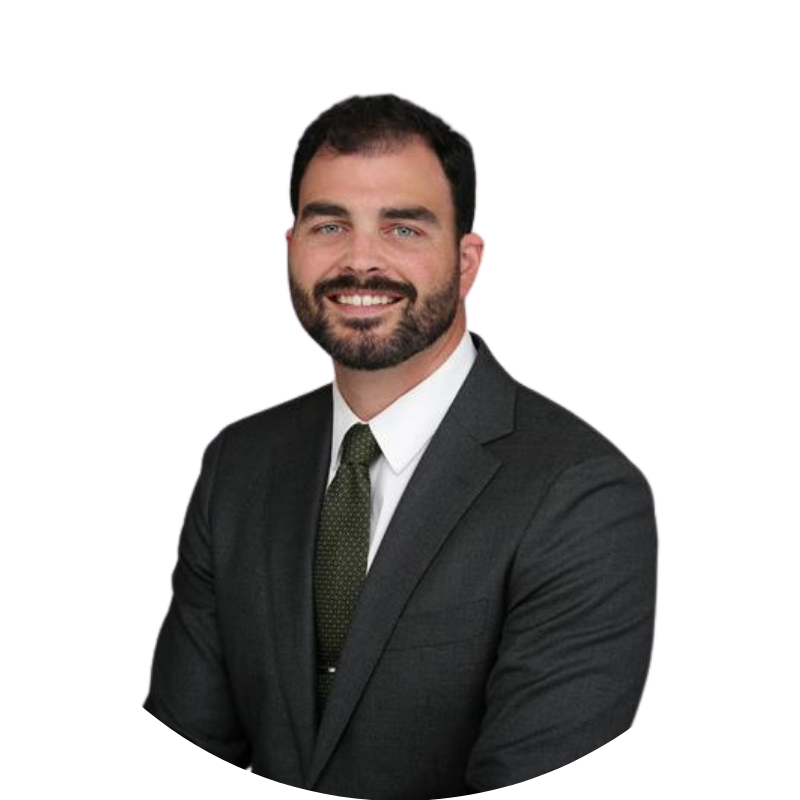
Ryan Walls, JD – Executive General Adjuster
July 9th 2026
Davies’ Executive General Adjusters are elite among Large Loss & Specialty claims adjusters in the U.S., handling the most complex and costly claims nationally and internationally. In this series, learn more about who they are, what they do, industry trends they’re seeing, and the most interesting project each has worked on to date.
Ryan Walls
Quick Background
Since 2009, Ryan has handled a wide range of commercial and residential losses, as well as practiced law as an attorney with an international law firm. His expertise includes fire losses, floods, hurricanes, tornadoes, hailstorms, inland marine losses, hotels and hospitality, roofing losses, builder’s risk, business interruption and homeowner’s associations.
Home: Denver, CO
Region: Mountain West
States Covered: California, Colorado, Idaho, Kansas, Montana, New Mexico, North Dakota, Nebraska, Oregon, South Dakota, Texas, Utah, Washington, Wyoming
Certifications: Earthquake-Certified, California
Throughout his work, Ryan focuses on balancing technical rigor with clear communication and empathy for those impacted by loss.
Q&A
As someone who works as both an adjuster and attorney, how has your legal background shaped the way you approach complex commercial and residential losses?
Clear and timely communication is key to claims handling. As anything that can be used to imply coverage, or a payment amount may be used in a legal proceeding. So being clear helps manage expectations and keeps the process fair for all parties.
Because of my legal background, I’ve also had the opportunity to see how claims can change with new information or interpretations. Especially as construction progresses, previously hidden conditions may pop up. Whether it’s about scope, building requirements, codes—you need to be prepared to address questions and issues on-the-fly.
How does working on the West Coast differ from other regions?
As adjusters, we treat all policyholders and clients with the same respect, no matter where they’re located. But each region does have a slightly different feel and culture.
I’m in Colorado, and there are several subcultures. Within this region, we’ve got skiers, cowboys, ranchers, snowbirds, and you have to be able to talk confidently with all of them and also be able to meet them where they are.
Since the Rocky Mountain region has seen significant growth over the last 15 years or so, I often deal with people from a wide geographical spectrum. So anyone living in this area now greatly appreciates knowing they are being taken care of by someone who not only is familiar with the territory, but also who grew up here. Letting somebody know that you went to school just down the street or a town over definitely helps people feel at ease and helps provide local context around a claim.
It also helps when people know that you have ties to, a concern for, and want to take care of the people in the community.
Are fire losses due to wildfires on the West Coast a lot different to handle than maybe a regular fire loss?
A lot of times wildfires hit where people live or have vacation homes, and unfortunately, you’re not just dealing with people who have lost everything they have—some have also lost people they loved in the fires. So you need to come at it from a whole different perspective. Whether it’s for a home or business, it requires a very empathetic approach.
Who all do you work with on claims like those?
We sometimes work with forensic or design engineers, accountants, consulting meteorologists, building consultants, salvors—all kinds of different experts depending on what’s needed. We’re experts on the claims adjusting, but we want experts on the specific issues to ensure any conclusions are well-supported. If I’m getting deposed, and somebody says “You put together this estimate—what’s your background in this? Why is your number correct?” I can’t say it’s because I’m an expert in a particular area like roofing.
Having the right people in place helps show you undertook a reasonable investigation and generate a fair payout for the insured. The goal is for the insured to receive what they are entitled to under the policy.
What’s the average turnaround on a Large Loss claim?
A lot of large loss claims resolve in a few months, but highly complex losses can take longer depending on scope, reconstruction challenges, coordination among stakeholders—stuff like that. Maybe the contractors run into an issue, or they get part way through and realize that there’s some sort of code issue that they hadn’t anticipated. Timelines can draw out because of uncontrollable factors like construction schedules and when the right materials are available.
What’s the most interesting project you’ve ever worked on?
A large cement mining facility that was located around the mountains. A piece of the huge silo that was part of the mining process collapsed, and it took down their mine for months.
I had to coordinate with the government, help get special people in there to do the reconstruction, factor in getting employees back to work—it was complex to coordinate. But it was very interesting to see it all. Doing this work, you get to learn about a lot of different types of operations. Going through the facility, getting to see how some of this stuff was actually made—it was very interesting to me.
Get in touch with Ryan to learn more about his service regions and capabilities, and learn more about our overall Specialty Risk Division solutions.
-
May 14th 2025
Davies appoints Presidents of Workers’ Compensation and Property & Casualty TPA Services amid rapid growth in North America
Sarasota, U.S. – May 14, 2025 – Davies, the leading specialist professional services…
-
March 26th 2025
New Year, New Insights on Workers' Comp & EPLI Trends
As we step into 2025, the insurance landscape for workers’ compensation (WC) and…

-
October 11th 2023
Unlocking the Benefits of Effective Workers’ Compensation Inspections for Municipalities and Insurance Companies
In today’s dynamic business landscape, managing Workers’ Compensation (WC) losses are of paramount…

-
June 24th 2026
EGA Insights: Role of Adjusters in Navigating Hurricane & Tornado Deployments
Davies’ Specialty Risk Division Executive General Adjusters are elite among Large Loss claims…
-
July 29th 2026
Meet Our EGAs: Chance Walls—Mountain West Adjuster & Code Detective
Davies’ Executive General Adjusters are elite among Large Loss & Specialty claims adjusters in the…
-
August 6th 2026
Meet Our EGAs: Mike Klein—Mid-Atlantic Adjuster, Umpire & Roof Regulator
Davies’ Executive General Adjusters are elite among Large Loss & Specialty claims adjusters in the…
-
August 19th 2026
Meet Our EGAs: Jason Smith—Mid-Atlantic Adjuster, Appraiser & Umpire
Davies’ Executive General Adjusters are elite among Large Loss & Specialty claims adjusters in the…